Why seal cracks in asphalt pavement?
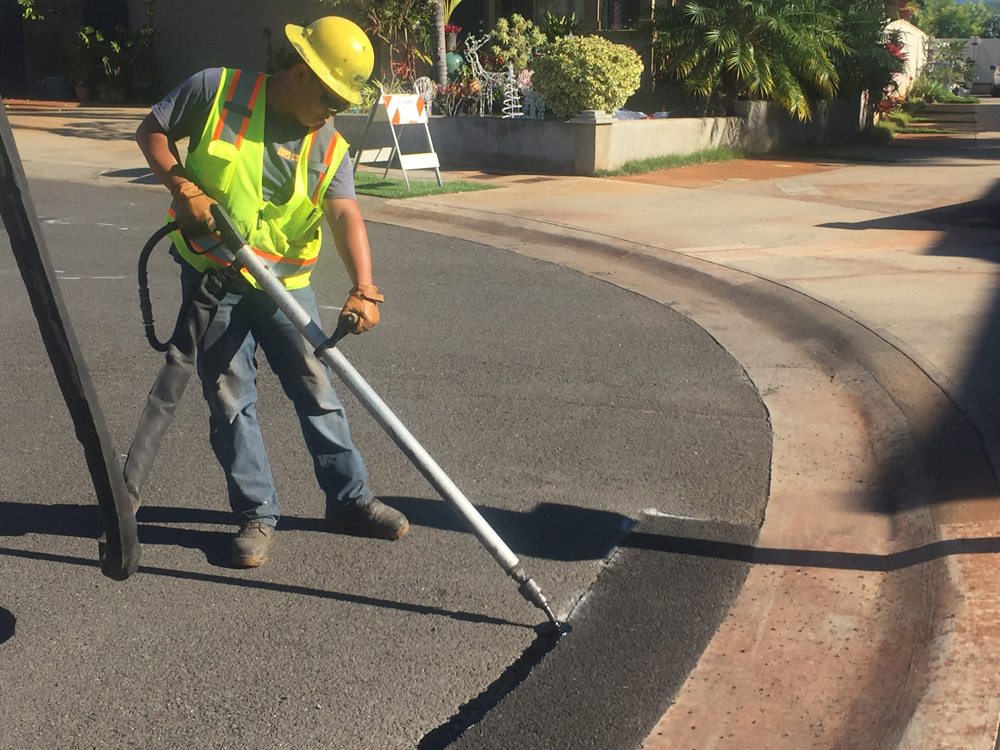 For asphalt in areas with slow moving vehicle traffic and foot traffic such as but not limited to: parking lots, driveways, residential streets and walkways. Because of the increase in tires grinding on the asphalt, motor fluids dripping and other damage to the pavement, it is so important to seal cracks promptly and properly. As asphalt ages, it will oxidize and shrink causing random cracking throughout the pavement. Cracks in the asphalt allow moisture to seep below the pavement and leads to potholes and speeds up the deterioration of the pavement. Properly sealing cracks that appear can more than double the effective service life of the asphalt pavement.
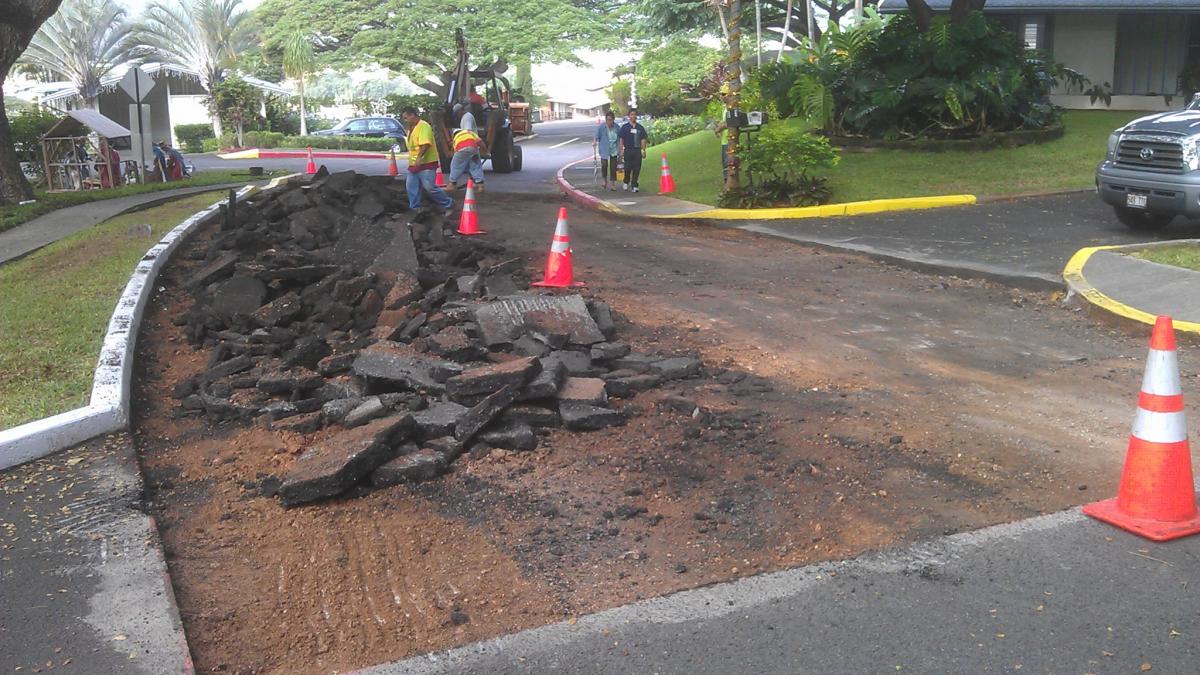 Repaving your parking lot is usually a large expense, but if you take proper action, you can actually delay the need to repave your asphalt. To do so, you must be proactive and take preventative action and maintain your asphalt while it’s still in good condition.
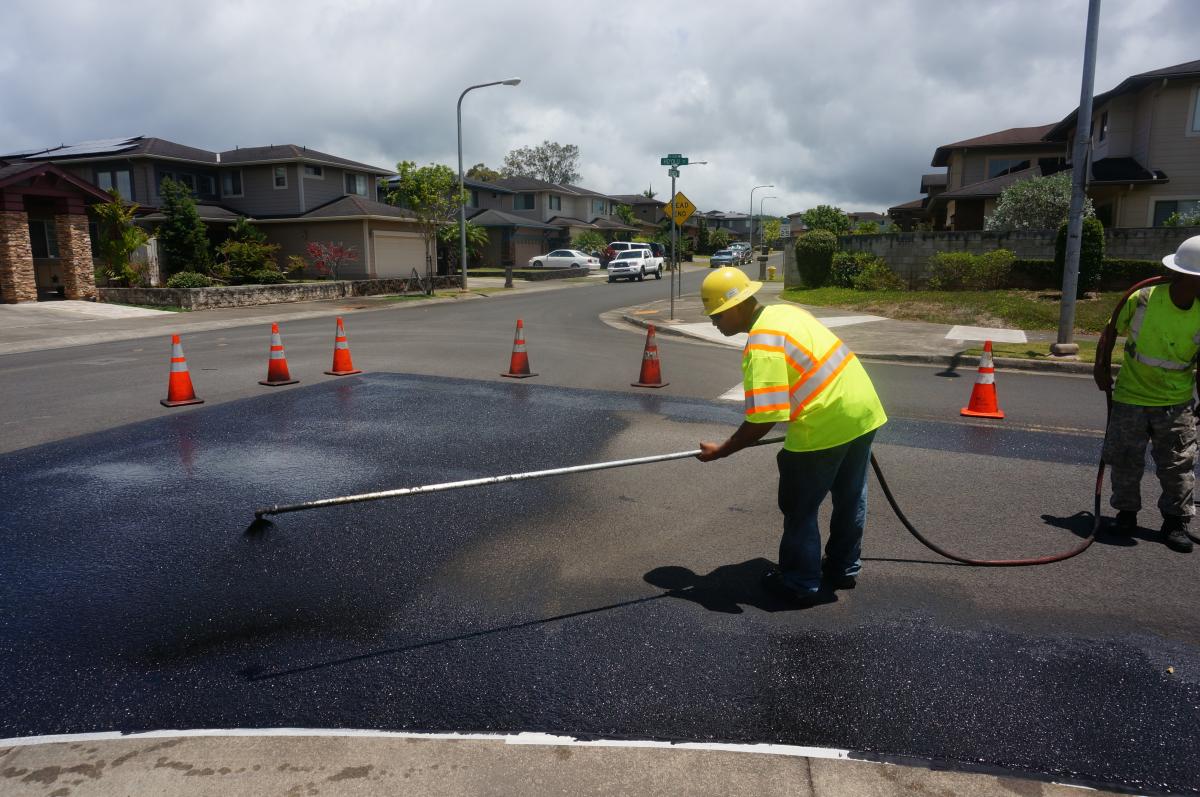 This post is a version of the article "How To Protect Your Asphalt Pavement From Water Damage" which will be featured in the December 2014/January 2015 issue of Building Management Hawaii.
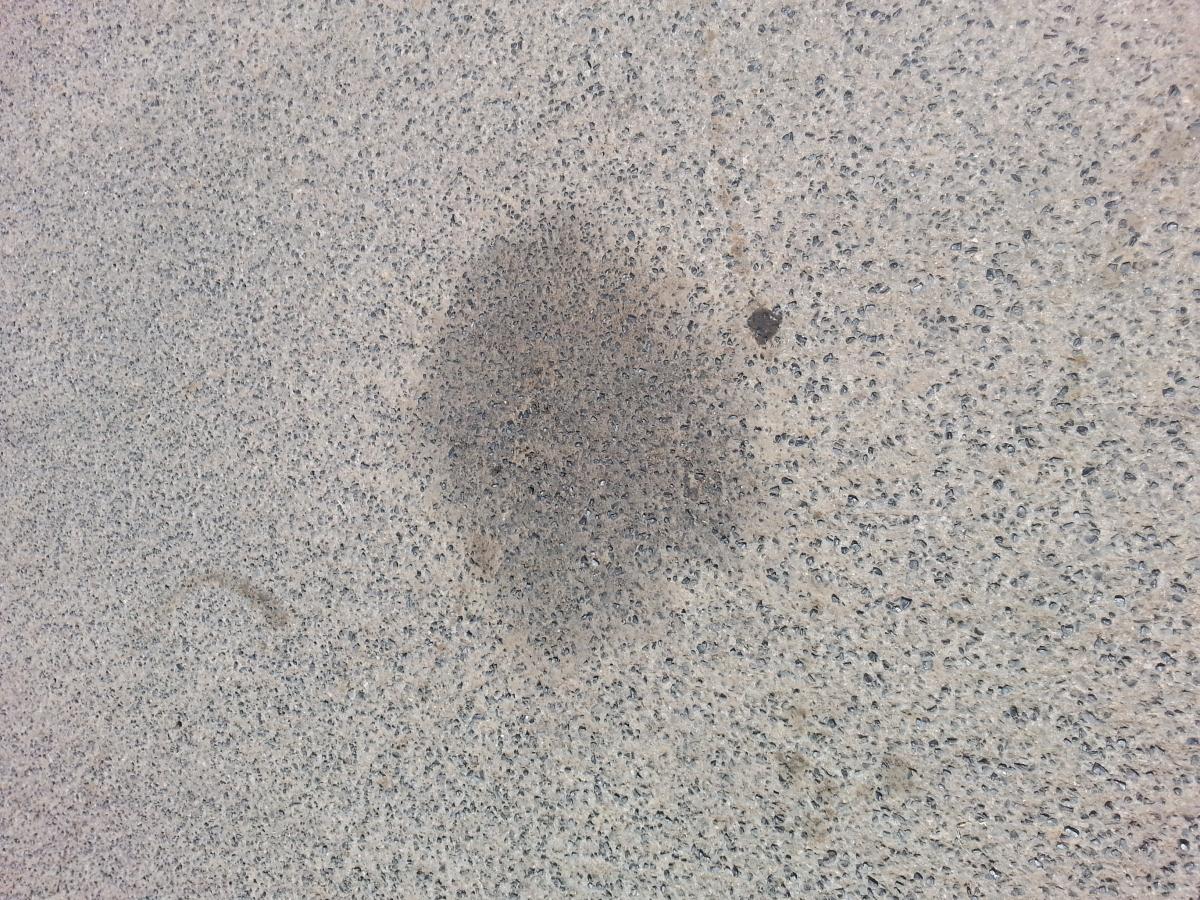 Untreated oil stains will deteriorate your asphalt pavement. Your pavement is made up of sand and aggregates which are held together by a binder called asphalt pavement. Oil will dissolve the binder, causing raveling to occur. In cases where the oil stain has been untreated for a while, the top of your asphalt pavement may become soft.
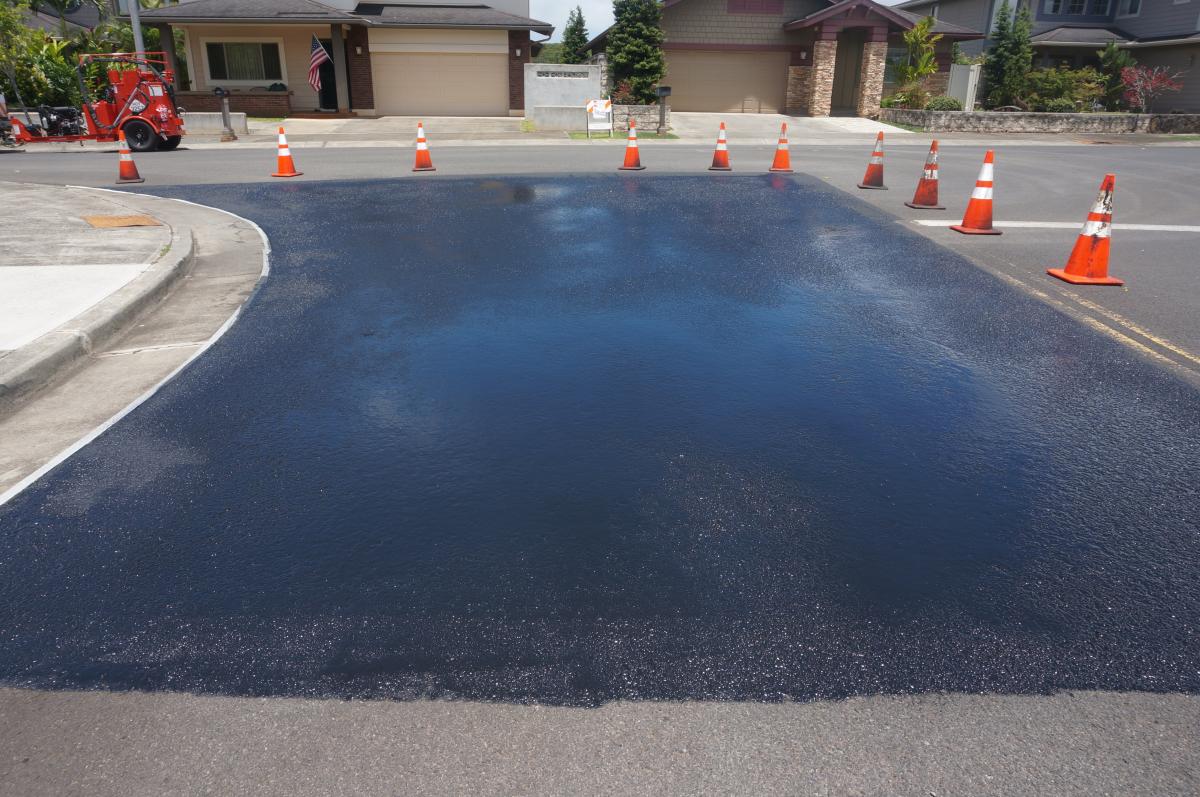 Your parking lot budget likely consists of a number for repaving. But do you have a budget for asphalt maintenance? Performing asphalt maintenance will help extend the useful life of your asphalt and delay the need to repave (repaving can be very costly). Asphalt maintenance is the practice of preventing, or quickly resolving issues such as cracks, water penetration, and oxidation. Neglecting maintenance will result in the deterioration of your pavement. This is why we preach performing regular maintenance.
 There's no point budgeting to repave your entire asphalt parking lot if only a relatively small area actually needs to be repaved. Ideally you'd like to
 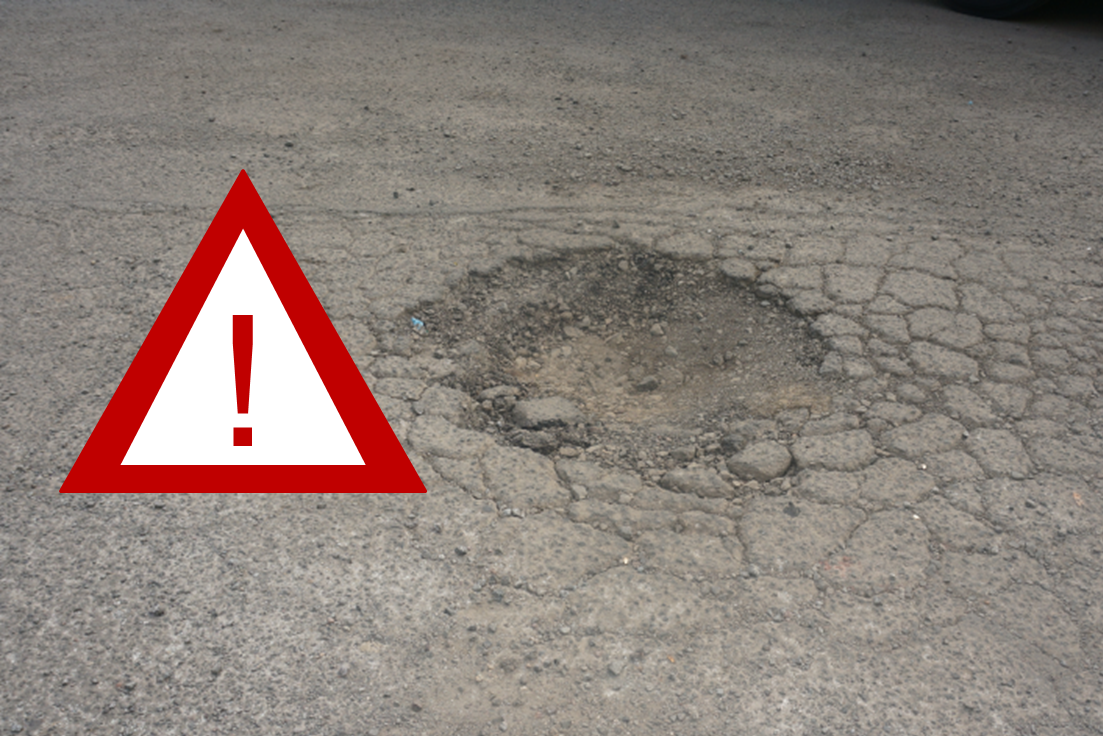 Asphalt begins to degrade beginning the day it is laid down. If not properly maintained, your asphalt will likely degrade to the point where your pavement will need serious (costly) work. However, if you catch problems in their early stages, you can take preventative action to avoid future (costly) headaches.